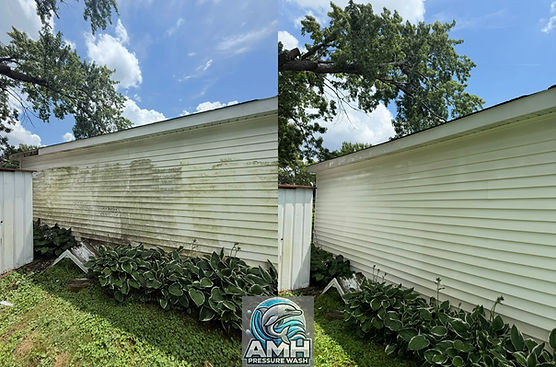
If you've looked into getting your home cleaned, you've probably seen both "pressure washing" and "soft washing" offered as services. They sound similar, but they work differently — and using the wrong method on the wrong surface can cause real damage. Here's what you need to know.
What Is Pressure Washing?
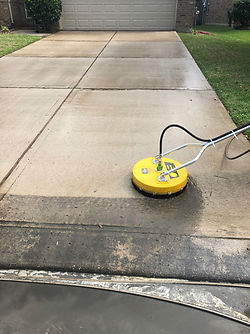
Pressure washing uses high-pressure water — typically between 1,500 and 3,000+ PSI — to blast away dirt, grime, stains, and debris. The mechanical force of the water does the cleaning work. It's highly effective for hard, durable surfaces that can withstand that force.
Best surfaces for pressure washing:
- Concrete driveways and sidewalks
- Brick pavers and patios
- Stone surfaces
- Decks (with care, depending on wood type)
- Fences (wood and vinyl, with appropriate PSI)
What Is Soft Washing?
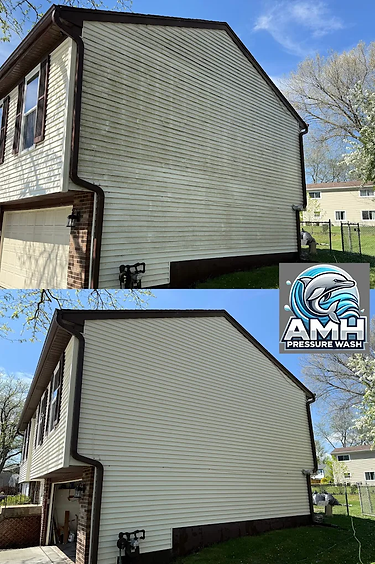
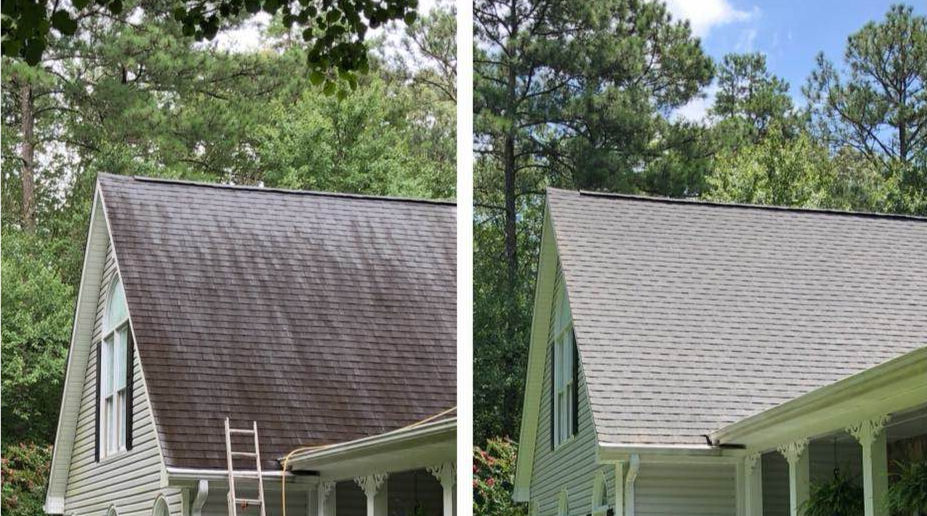
Soft washing uses low pressure — similar to a garden hose — combined with specialized cleaning solutions that break down biological growth (mold, algae, mildew, lichen) at the chemical level. Instead of blasting dirt off, it kills the organisms causing the staining and rinses them away gently.
The cleaning solutions used in soft washing typically contain biodegradable surfactants and sodium hypochlorite (bleach-based), which effectively kill organic growth without damaging the surface. Professional-grade solutions are formulated to protect plants and landscaping when properly diluted and rinsed.
Best surfaces for soft washing:
- Vinyl siding and wood siding
- Stucco and EIFS (synthetic stucco)
- Roof shingles (asphalt and architectural)
- Cedar shake and other wood surfaces
- Painted surfaces
- Window screens and frames
Why Not Just Pressure Wash Everything?
This is a common misconception. High-pressure water on the wrong surface can permanently damage your home. On vinyl siding, it can force water behind the panels, leading to mold growth inside the wall cavity. On asphalt shingles, it can strip granules and void your roof warranty. On wood surfaces, it can raise the grain, cause splintering, or drive moisture deep into the material.
Important: Many manufacturers of vinyl siding, stucco, and roofing products explicitly recommend soft washing over pressure washing. Using high pressure can void warranties — and cause damage that isn't immediately visible.
What Does AMH Pressure Wash Use?
At AMH Pressure Wash, we assess each job individually and use the appropriate method for the surface. We use pressure washing for driveways, concrete, and pavers — and soft washing for home exteriors, roofs, and delicate surfaces. This approach gets better results and protects your investment.
If you're unsure what your home needs, contact us for a free quote. We'll evaluate your exterior and recommend the best approach for each surface.