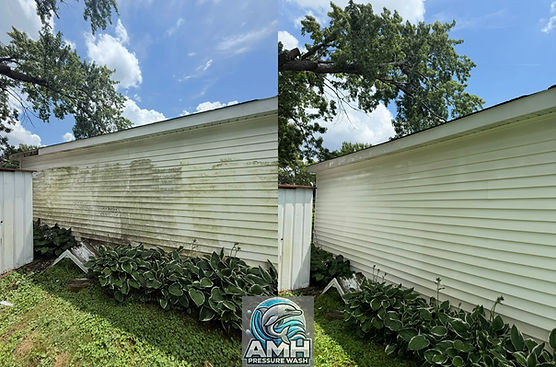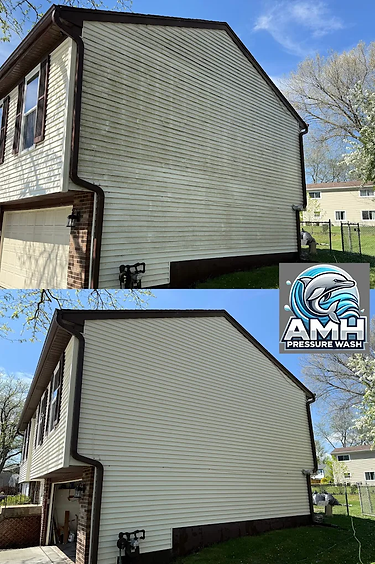
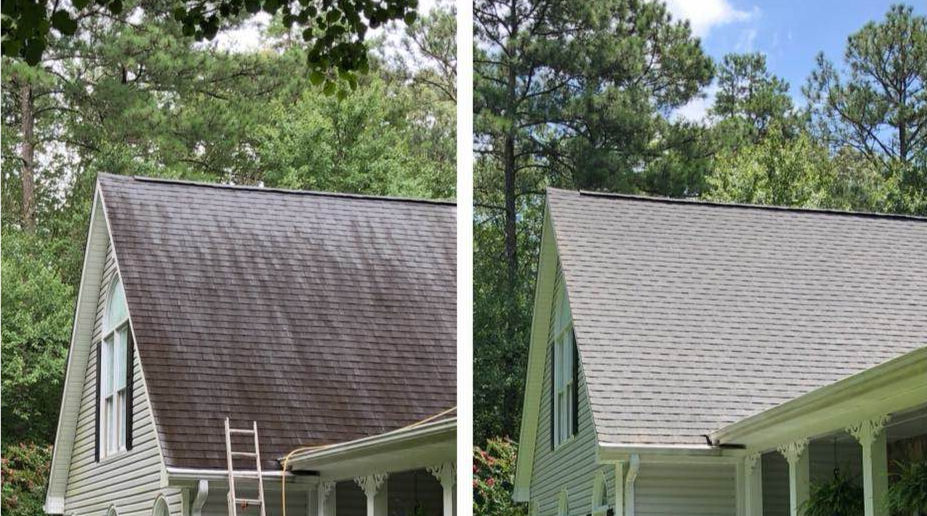
You've probably noticed roofs in your neighborhood with dark, blotchy streaking that runs in vertical patterns down the shingles. Many homeowners assume it's just weathering, age, or dirt. It's not. Those streaks are alive.
What Causes Black Streaking on Roofs?
The culprit is Gloeocapsa Magma, a type of blue-green algae (cyanobacteria) that feeds on the calcium carbonate in limestone filler used in modern asphalt shingles. The dark coloration is actually a UV-protective sheath the algae produces to survive — essentially a dark coating the organism wraps itself in.
Gloeocapsa Magma is airborne. Spores spread from roof to roof via wind, birds, and squirrels — which is why you often see entire neighborhoods develop the same streaking pattern over a few years. Once established, the algae spreads quickly, covering more shingle area each year.
Why It's a Problem Beyond Appearance
The visual impact is significant — black-streaked roofs look aged and neglected, which affects curb appeal and home value. But the damage goes deeper than aesthetics:
- Shingle degradation — as algae feeds on the limestone filler, it slowly breaks down the shingle's structure, shortening its lifespan
- Moisture retention — the algae layer holds moisture against the shingles, accelerating deterioration and potentially leading to wood rot underneath
- Increased heat absorption — dark-colored roofs absorb more solar heat, increasing cooling costs in summer
- Paves the way for moss and lichen — once algae establishes, moss and lichen often follow, whose root-like structures cause more aggressive shingle damage
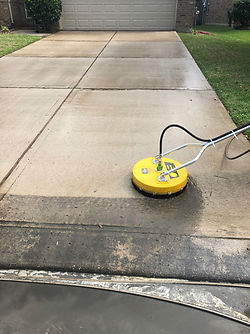
Important: Do NOT attempt to pressure wash your roof. High-pressure water blasts off the granule coating on asphalt shingles — the very layer that protects them from UV degradation. Pressure washing a roof can void your shingle warranty and accelerate replacement by years.
The Right Treatment: Soft Washing
Roof cleaning should always be done using soft wash methods — low-pressure water combined with professional-grade cleaning solution (typically sodium hypochlorite with surfactants). This kills the algae at the source without mechanical abrasion of the shingles.
After a proper soft wash treatment, the dark streaks gradually wash off with rain over the following weeks. A well-treated roof can stay clean for two to three years before another treatment is needed.
Prevention: Zinc or Copper Strips
Once your roof is clean, zinc or copper strips installed along the ridge can help slow the return of algae. When it rains, small amounts of metal ions wash down the roof and inhibit algae growth. It's not a permanent solution, but it extends the time between cleanings. Contact AMH Pressure Wash to learn more about roof cleaning options for your home in DuPage County.