The driveway is one of the first things people see when they approach your home — and one of the surfaces that benefits most dramatically from professional pressure washing. But not all driveways are the same, and the best approach depends on the material, the type of staining, and the condition of the surface.
Concrete Driveways
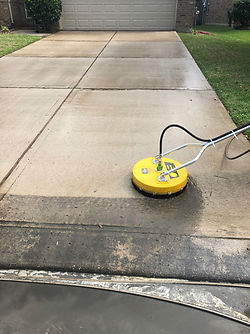
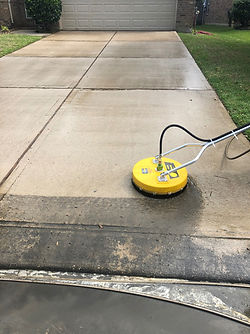
Concrete is the most common driveway material in DuPage County, and it responds well to pressure washing. Over time, concrete accumulates tire marks, oil stains, rust from fertilizer, algae, and general traffic grime. A professional cleaning with a surface cleaner attachment — rather than a wand — delivers even results without the striping pattern that can appear from inconsistent wand passes.
For concrete, here's what works:
- Pre-treating oil stains with a degreaser before washing
- Using a surface cleaner for even, consistent results
- Hot water pressure washing for stubborn organic stains
- Post-treatment sealing to protect against future staining (optional but recommended)
Brick Pavers
Brick pavers require more care than concrete. The jointing sand between pavers can be disturbed by excessive pressure, and the brick surface can be etched if the PSI is too high or the nozzle too close. Professional cleaners use appropriate pressure and fan nozzles to clean without damaging the jointing.
After cleaning brick pavers, applying polymeric sand to the joints and a sealer helps lock everything in place and makes future cleaning easier. Sealed pavers resist oil, stains, and weed growth much better than unsealed ones.
Asphalt Driveways
Asphalt is softer than concrete and requires lower pressure to avoid surface damage. Most asphalt driveways can be cleaned effectively at 1,200–1,500 PSI. After cleaning, asphalt sealcoating is recommended to restore color and protect the surface from UV and weather damage.
Timing matters: Avoid pressure washing concrete driveways within 24-48 hours after temperatures have been below freezing — the surface pores can absorb water that then expands and causes spalling when it freezes again. Spring is the ideal time in DuPage County.
Common Driveway Cleaning Mistakes
- Using a 0-degree nozzle (the "red tip") — concentrates too much pressure and can etch concrete or strip asphalt
- Skipping pre-treatment for oil stains — pressure washing alone doesn't break down oil; a degreaser is needed first
- Cleaning in a single direction only — overlapping passes are needed to avoid visible cleaning lines
- Not cleaning downspouts and the surrounding area — runoff from dirty gutters will re-stain a clean driveway quickly